3 Jun 2026
Aligning Payout Systems for Accumulator Bets in Virtual, Live, and Racing Environments

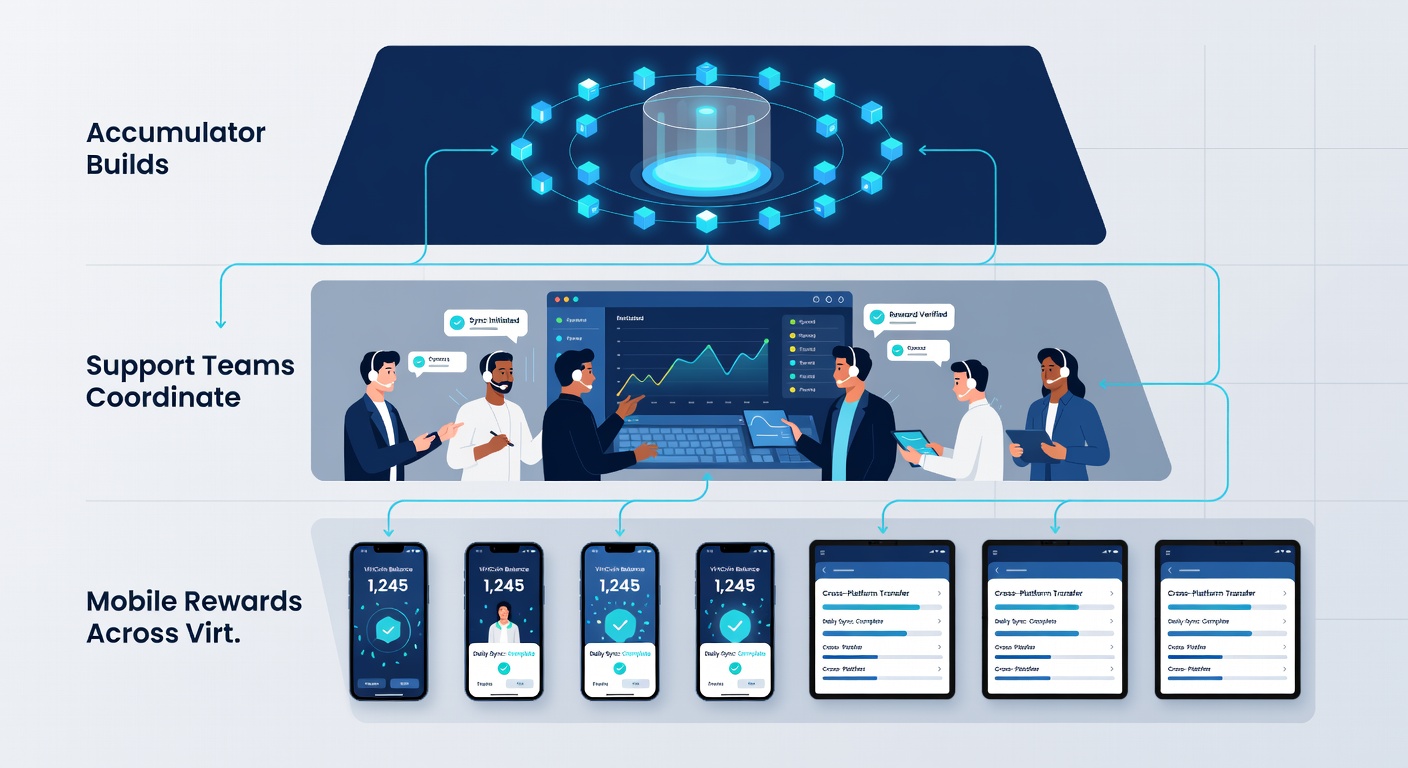
Payment synchronization in accumulator builds requires precise coordination when bets span virtual sports, live dealer tables, and racing tracks, with support teams handling the flow of mobile rewards through integrated systems that update in real time across platforms. Research from the American Gaming Association shows that operators rely on centralized ledgers to match settlement times for each leg of a multi-venue accumulator, which prevents discrepancies that arise when one event concludes hours before another.
Core Mechanisms Behind Sync Patterns
Teams monitor transaction queues that pull data from disparate sources including virtual simulation engines, live streaming feeds, and track timing systems, then route confirmed outcomes into a single payout calculation module. Data indicates that delays in any one channel trigger automated alerts routed directly to support staff who intervene to realign the accumulator status before mobile notifications reach users. Observers note that this process becomes especially visible during peak periods when multiple racing meets overlap with scheduled virtual events and ongoing table sessions.
Role of Support Teams in Mobile Reward Coordination
Support personnel review flagged accumulator records by cross-checking timestamps from each venue type against the central payment processor, then apply adjustments that keep reward balances consistent on user devices. Those who've examined operational logs find that staff often handle cases where a live table outcome processes slower than a virtual sprint result, requiring manual overrides to unlock the combined mobile payout. Figures reveal that such interventions occur most frequently when accumulators include legs from all three categories, since each carries distinct confirmation protocols.
Integration Across Venue Types
Virtual sports platforms feed results through API endpoints that update every few seconds, whereas live tables depend on dealer action logs streamed from physical or streamed environments, and racing tracks supply official results via regulatory feeds that arrive at fixed intervals. Support teams maintain mapping tables that translate these varied inputs into a unified accumulator status, ensuring mobile reward eligibility triggers only after all legs clear verification. One study revealed that mismatches drop significantly when dedicated sync scripts run continuous comparisons every minute during active betting windows.
By June 2026 several platforms plan to roll out enhanced queue management tools that prioritize accumulator records spanning multiple venue categories, allowing support staff to resolve sync issues before they affect user balances. What's interesting is how these updates build on existing protocols rather than replacing them, since operators continue to rely on established racing data providers alongside newer virtual and live integrations.
Handling Edge Cases in Accumulator Settlements
When a racing result arrives after virtual and table legs have already settled, support teams place the accumulator in a pending state visible on the mobile app until the final confirmation arrives. Researchers discovered that this staged release method reduces disputes because users receive incremental status updates rather than waiting for a single large payout notification. Evidence suggests that clear communication templates help users understand why certain rewards appear later than expected even when individual bets have concluded.
Data Flow and Verification Steps
Operators log every data packet exchanged between venue systems and the mobile reward engine, creating audit trails that support teams consult during reconciliation. According to reports from the Responsible Gambling Council in Canada, these trails prove essential when regulators request verification of accumulator outcomes across different event types. Teams therefore maintain access to both automated reports and manual review interfaces that allow rapid cross-checks without disrupting ongoing user sessions.
Industry organizations such as the European Gaming and Betting Association have documented how standardized data formats improve sync reliability, particularly for accumulators that mix time-sensitive racing finishes with continuous virtual simulations and intermittent live table resolutions. Support coordination therefore centers on maintaining these format alignments while monitoring for any venue-specific anomalies that could shift payout timing.
Conclusion
Payment sync patterns in accumulator builds depend on layered coordination between venue data sources and dedicated support workflows that keep mobile rewards consistent across virtual sports, live tables, and racing tracks. Continued refinements scheduled through 2026 aim to further streamline these processes while preserving the verification steps that protect transaction integrity.