12 Jun 2026
Charting Settlement Mechanics Within Layered Multi-Format Wagering Streams Across Digital Sports, Racing, and Virtual Environments
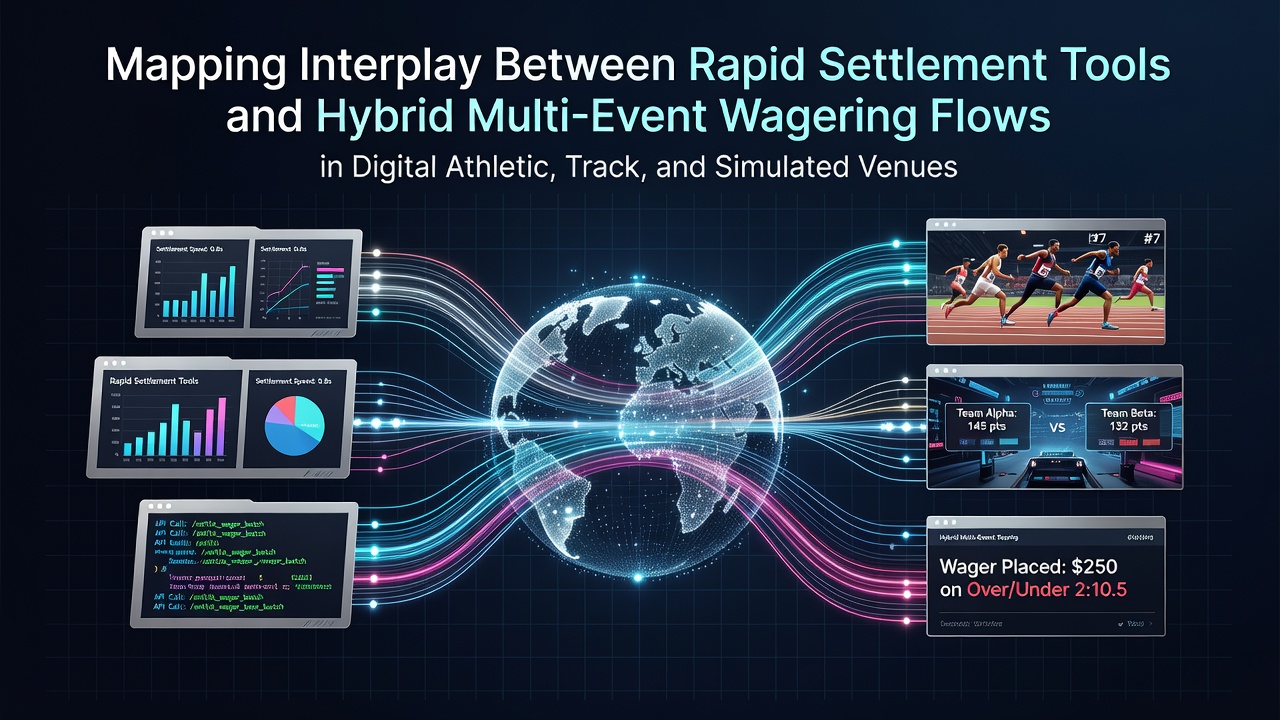
Digital platforms handling athletic contests, track events, and simulated competitions have developed settlement tools that process outcomes across multiple wager types in coordinated sequences, and observers note how these systems link instant resolution features with accumulators that combine football scores, horse racing results, virtual dashes, and live dealer outcomes into single tickets. Data from industry reports indicate that settlement speed influences the volume of hybrid bets placed, since faster confirmation cycles allow participants to reinvest returns into subsequent events without extended delays. Researchers at various academic institutions have documented patterns where platforms using automated verification reduce average payout times from hours to minutes, which in turn supports continuous wagering flows across different venue types.
Core Components of Rapid Settlement Systems
Settlement tools rely on data feeds from official sources, algorithmic verification protocols, and integrated payment gateways that activate once results receive confirmation, and these elements operate in tandem to handle bets spanning real athletic matches, track races, and computer-generated simulations. Figures from technology providers reveal that platforms incorporating blockchain-based ledgers achieve settlement rates up to 40 percent quicker than traditional databases in multi-event scenarios. Those who have examined operational logs find that hybrid wagering flows benefit when settlement occurs within the same session, because participants can chain outcomes from a soccer match directly into a virtual horse race without leaving the interface. Regulatory bodies in regions such as Australia have published guidelines requiring transparency in settlement timelines, which has prompted operators to publish average processing metrics for public review.
Hybrid Wagering Flows Across Venue Types
Hybrid multi-event wagers combine selections from athletic competitions, track events, and simulated environments into accumulators, and mapping these flows shows how rapid settlement tools determine whether returns recycle into new combinations or exit the system. Studies conducted by research teams at European universities demonstrate that bettors using mobile interfaces place 25 percent more hybrid tickets when settlement completes before the next event window opens. Platforms track these sequences through centralized ledgers that record each leg of an accumulator separately, yet release the full payout only after every component resolves. What's notable is the synchronization required between live data streams from stadiums, racetracks, and virtual servers, because any lag in one venue type can stall the entire chain and reduce subsequent betting activity.
Technical Mapping of Interplay Points
Mapping exercises identify specific junctions where settlement speed intersects with wagering volume, including the moment a football goal triggers partial settlement on an accumulator, the instant a track result updates virtual racing odds, and the point where casino card outcomes feed back into mobile bonus calculations. Engineers designing these systems use API connections that push verified results into settlement engines within seconds, and case studies from North American operators show reduced dispute rates when such integrations function without interruption. Observers note that simulated venues add complexity because their outcomes generate internally, yet still require the same verification standards applied to real athletic and track events to maintain consistency across hybrid tickets. As of June 2026, several platforms have expanded these mappings to include predictive modules that forecast settlement loads during peak multi-event periods.
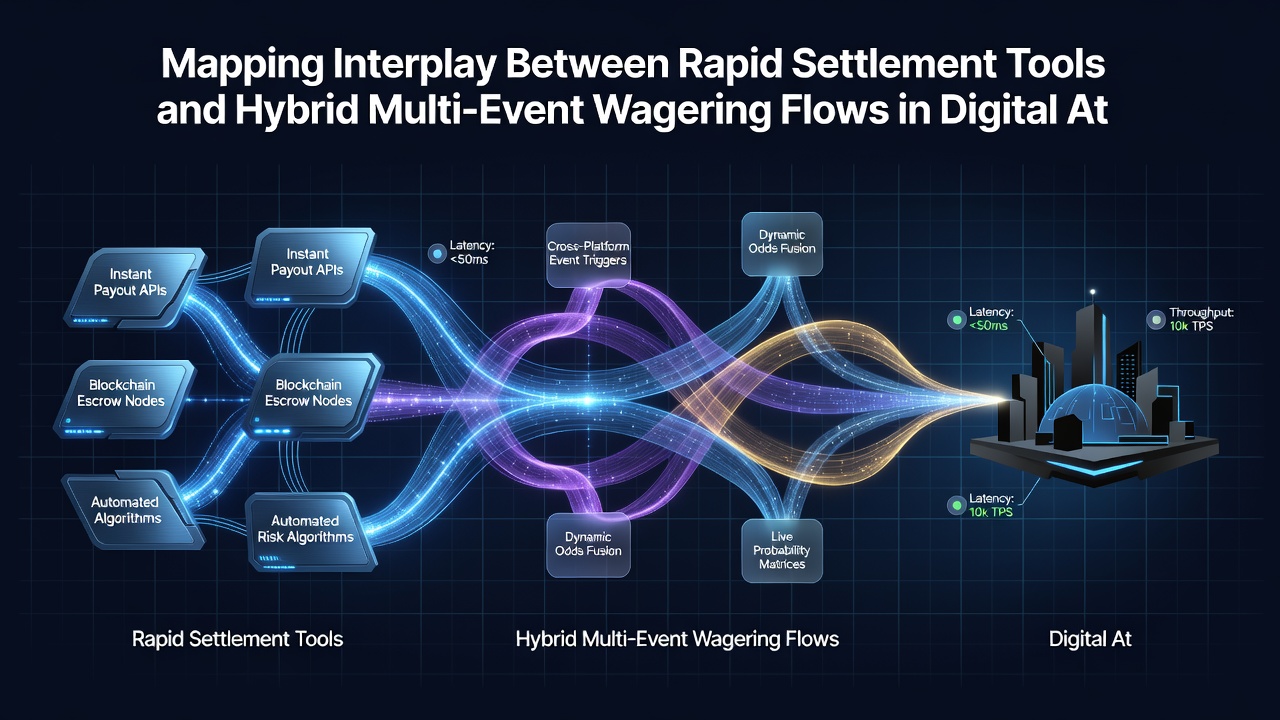
Payment velocity plays a direct role at these junctions, since instant funding options allow participants to maintain momentum across digital athletic, track, and simulated selections without pausing for external transfers. Industry associations tracking transaction data report that operators offering same-minute payouts record higher retention on hybrid products compared with those using batch processing. The reality is that each venue type contributes distinct data points to the settlement engine, requiring unified protocols that treat a soccer goal, a thoroughbred finish, and a virtual roulette spin with equal priority once verification completes.
Regional Implementation Patterns
Operators in different jurisdictions apply settlement tools with varying degrees of integration, and Canadian provincial regulators have examined how hybrid flows behave when rapid tools operate alongside strict responsible gambling checks. Research papers from Australian institutions highlight that platforms combining athletic, track, and simulated events achieve smoother flows when settlement engines prioritize high-volume periods such as major racing festivals or tournament finals. Those examining cross-border data find that standardized reporting formats help compare performance metrics, although local rules still dictate the exact timing requirements for releasing funds back into player accounts. Experts tracking these patterns observe that the interplay becomes most visible during events where multiple venue types run concurrently, because settlement tools must manage simultaneous result streams without creating bottlenecks in the accumulator pipeline.
Conclusion
The mapping of rapid settlement tools against hybrid multi-event wagering flows reveals structured dependencies that shape how participants move between digital athletic contests, track races, and simulated venues, and continued monitoring by research groups and regulatory agencies will document further refinements in these systems. Data collected through 2026 indicates that platforms maintaining consistent settlement speeds across all venue types sustain higher volumes of layered betting activity, while any misalignment in processing timelines disrupts the continuity of accumulator chains. Future developments will likely focus on tighter synchronization between data sources and payout mechanisms to support the expanding range of hybrid products available in these environments.