31 Jul 2026
Connecting Racing Tracks with Virtual Leagues and Casino Tables in Accumulator Bets Using Mobile Payment Systems and Support Networks
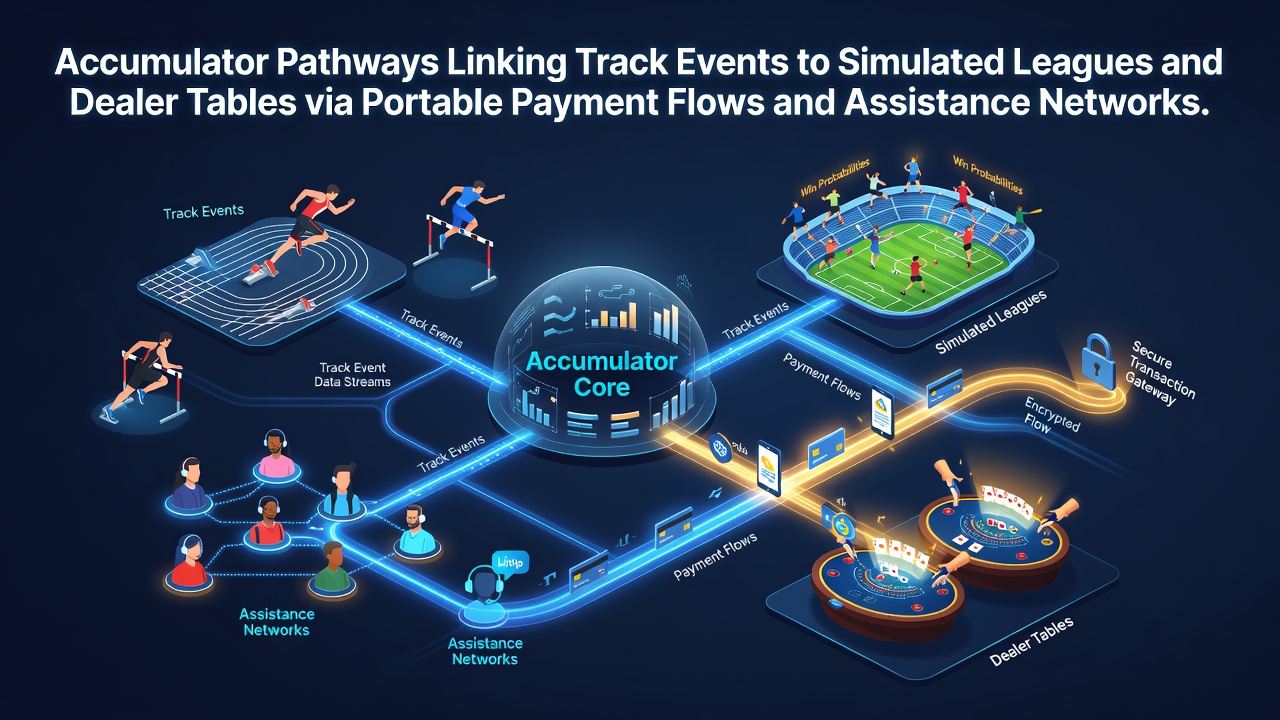
Accumulator bets combine multiple selections into single wagers where each outcome must succeed for the overall return to multiply, and this structure now extends across horse racing tracks, virtual sports simulations, and live dealer tables in many licensed operations. Data from industry analyses show that bettors frequently select events from different categories and link them through single transactions processed on mobile platforms, which reduces the steps required to build and settle these combinations. Research indicates that payment velocity plays a direct role in maintaining the chain because delays in funding or confirmation can interrupt the sequence of selections before all legs are confirmed.
Track Events as Foundation Layers
Horse racing provides the initial selections in many accumulators because results post quickly and create clear multipliers that subsequent virtual or casino outcomes can build upon, while observers note that tracks supply consistent data feeds which operators integrate into betting interfaces. Those who monitor these systems report that selections from flat races or jumps often form the base because payout calculations occur within minutes of the finish, allowing the accumulator to proceed to the next category without extended waiting periods. Figures from betting operators reveal that track events account for a measurable portion of accumulator volume during peak racing seasons, and this volume increases when mobile apps display combined odds in real time.
Simulated Leagues Extending Selection Options
Virtual sports simulations add continuous availability because these computer-generated events run on fixed schedules throughout the day and night, which means bettors can insert outcomes from simulated football leagues or horse races into an accumulator even when physical tracks are not operating. According to operator reports, these simulations use random number generators certified by testing laboratories, and the results feed directly into the same accumulator engine that handles live track results. People who construct these chains often alternate between real and virtual selections to maintain activity across time zones, and the seamless transition occurs because both categories share the same wallet and settlement protocols on the mobile platform.
Dealer Tables Completing the Chain
Live dealer tables from roulette, blackjack, and baccarat supply the final legs in some accumulator pathways because each spin or hand resolves within seconds and produces immediate multipliers that apply to the entire bet. Evidence from platform analytics shows that players incorporate these table outcomes after track and virtual selections because the rapid resolution allows the full accumulator to settle in a single session rather than spanning multiple days. Mobile interfaces display dealer streams alongside the running accumulator total, which lets users track progress without switching applications, and this integration relies on the same secure payment rails used for initial deposits.
Portable Payment Flows Enabling Continuity
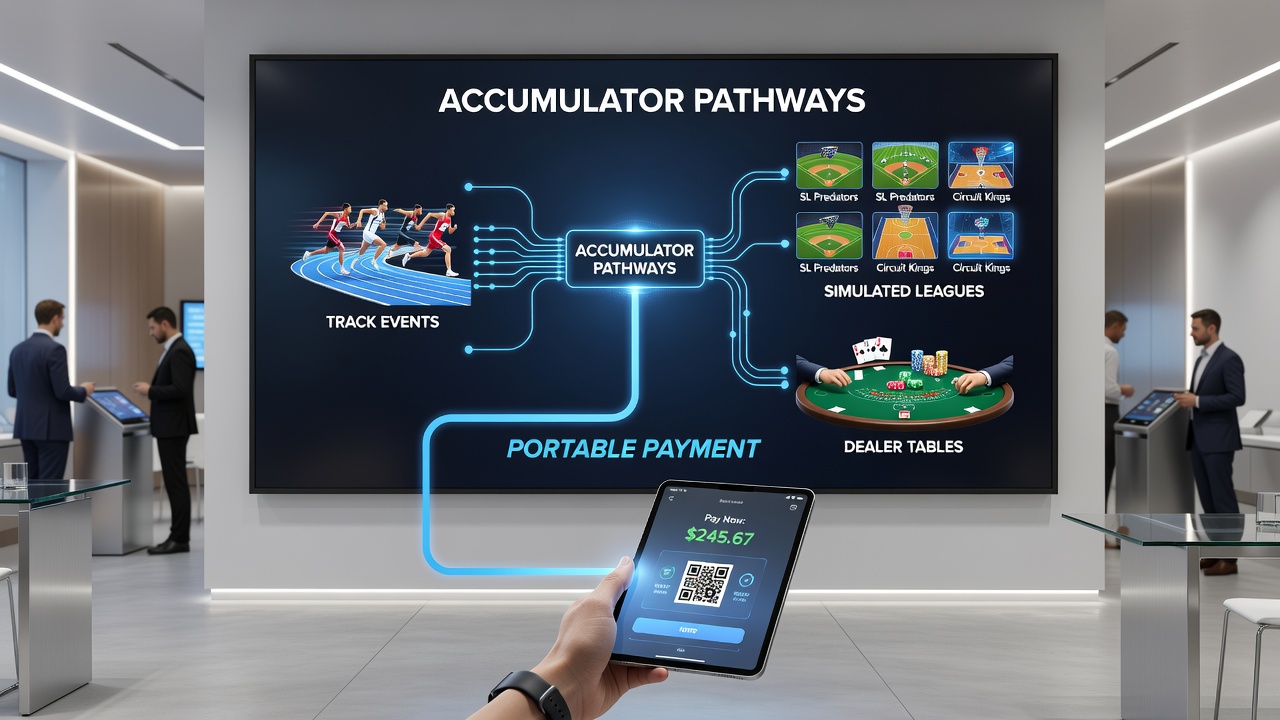
Mobile payment systems process deposits and withdrawals through digital wallets and instant bank transfers that keep funds available across all betting categories without requiring separate accounts for each product type. Studies of transaction data indicate that average settlement times for accumulators spanning track, virtual, and dealer selections have shortened as operators adopted faster rails, and this speed supports the construction of longer chains. Operators document that users initiate funding on the same device they use to place selections, which reduces friction and allows the accumulator to remain active until every leg resolves.
Assistance Networks Supporting Complex Builds
Customer assistance networks operate through in-app chat, email, and telephone channels that address issues such as selection confirmation errors, payment verification delays, or result disputes within accumulators that cross multiple categories. Records from support teams show that queries about combined bets often involve clarifying how one leg from a racing track interacts with a virtual league outcome and a dealer table result under the same stake. Training materials for these networks emphasize accurate explanation of settlement rules so that users receive consistent information regardless of the time or device used to contact support.
One documented workflow begins with a deposit via mobile banking app, proceeds to selections across racing, virtual, and casino sections, and ends with automated payout once all outcomes confirm. Another pattern involves users adjusting stake amounts mid-build when partial results alter the potential return, and the interface updates the accumulator total without requiring a new transaction. These processes function because the backend systems share a common database that tracks every leg and applies the same odds multiplier across categories.
Conclusion
The pathways described rely on shared data feeds, unified payment processing, and coordinated support structures that allow accumulators to span track events, simulated leagues, and dealer tables within single mobile sessions. Industry documentation confirms that these connections have expanded as operators standardized their technical infrastructure, and transaction records demonstrate measurable usage of cross-category chains during periods when multiple event types run concurrently. Continued development of payment speed and support response times remains a documented focus for operators seeking to maintain these accumulator routes.