26 Jun 2026
Digital Wallets Enabling Unified Strategies Across Virtual Arenas and Live Table Games
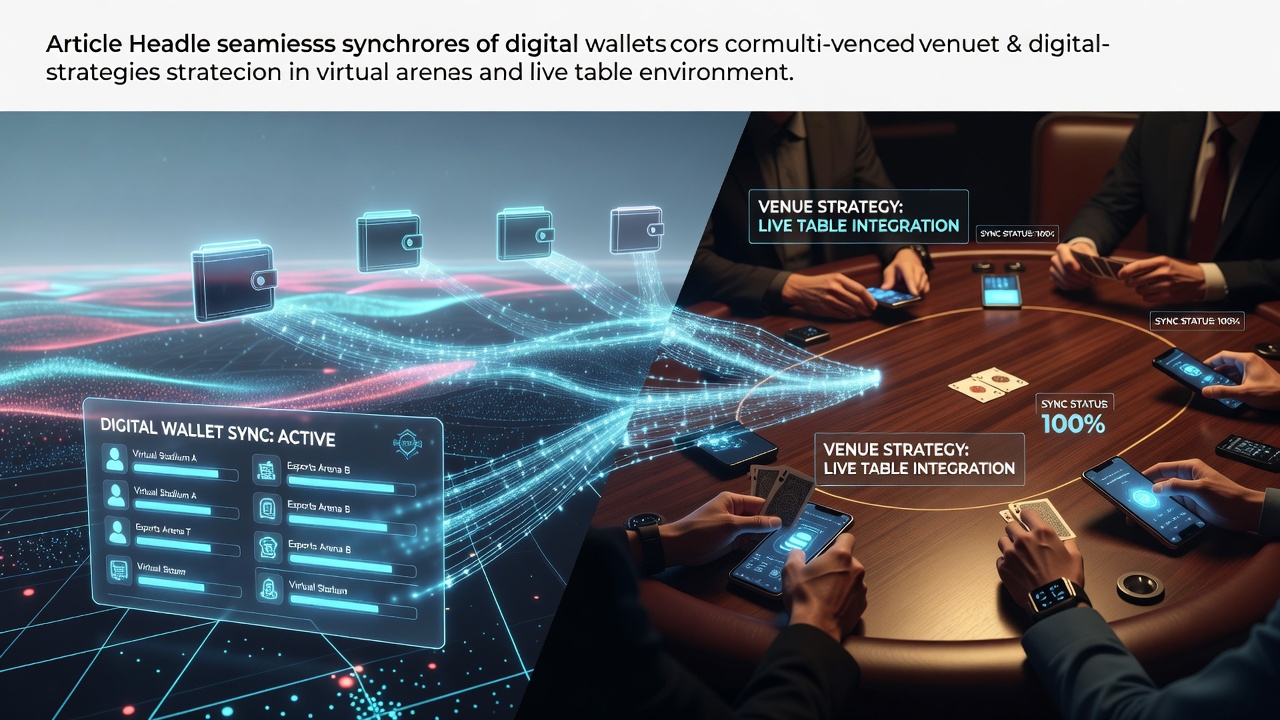
Digital wallets now connect payment streams across virtual sports platforms, online casino interfaces, and physical table operations in ways that support coordinated betting sequences, and this integration has accelerated with updates in transaction protocols reported during June 2026. Operators track these flows through centralized ledgers that pull from the same funding source whether a user places a wager on a simulated race or joins a live dealer session at a partnered venue.
Payment velocity data from industry reports shows that wallet-based transfers reduce settlement times between venues by linking user accounts directly to multiple environments, and this matters because multi-venue strategies often require rapid movement of funds without repeated verification steps. Systems built on blockchain elements or bank-linked APIs allow balances to update in real time, which supports combinations such as virtual arena multipliers followed by live table spreads.
Core Mechanics of Wallet Synchronization
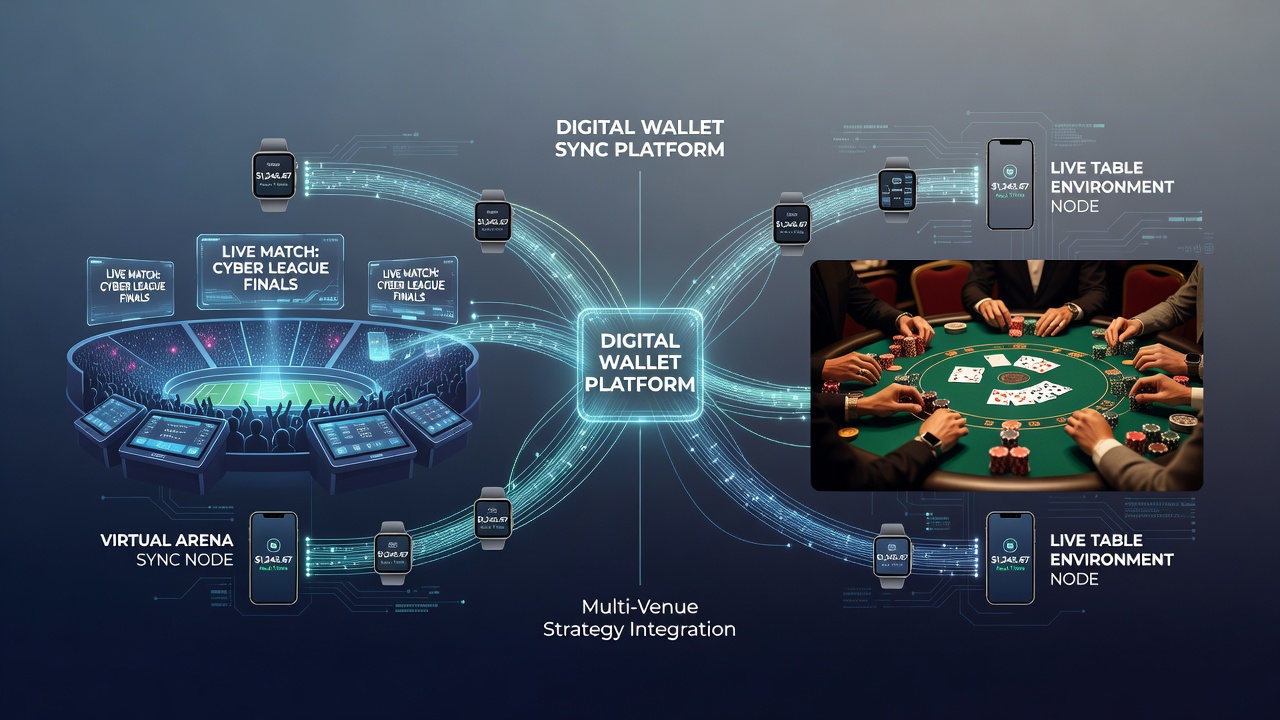
Wallet applications authenticate through shared tokens that carry across platforms, so a single login grants access to virtual betting modules and live table interfaces at the same time. Developers embed APIs from providers like those certified under European standards, and these connections pull user preferences while maintaining separate ledgers for each venue type. According to research from the University of Nevada's gaming studies division, such setups cut average transaction friction by measurable margins when users switch between simulated environments and staffed tables.
Security layers include biometric checks and device pairing that stay consistent, while transaction logs feed into compliance tools used by operators in Australia and Canada. Data shows these logs help reconcile bets placed in virtual arenas with outcomes recorded at live tables, and the process avoids duplicate entries because each wallet maintains a master balance that adjusts instantly across connected sites.
Multi-Venue Strategy Examples in Practice
Users often build sequences that start with virtual arena selections and shift to live table plays using the same wallet balance, and case studies from operators in the Asia-Pacific region document how these chains form. One documented flow involves funding a virtual sports accumulator then redirecting remaining credits to a live roulette table, with the wallet handling currency conversion if the venues operate under different regional rules. Figures from the Canadian Gaming Association indicate that such combined approaches now represent a growing share of total handle in regulated markets.
Live environments benefit when wallet systems pre-authorize amounts for table minimums, and virtual platforms gain from the same pre-load features that carry over player history. Observers note that this reduces the need for separate funding actions, which keeps momentum intact during extended sessions that span both digital simulations and physical dealer interactions.
Regulatory and Technical Considerations Around Mid-2026
Updates in June 2026 brought new requirements for cross-border wallet compatibility in several jurisdictions, and these changes prompted operators to refine how virtual and live venues share transaction data. Government agencies in New Zealand published guidelines that emphasize audit trails for any wallet moving funds between simulated and staffed settings, while industry groups in South Africa reported similar alignment efforts. The result appears in standardized reporting formats that capture both virtual arena results and live table settlements within one wallet record.
Technical upgrades include faster API handshakes that support simultaneous logins without balance discrepancies, and testing from research institutions shows these upgrades maintain accuracy even when network loads spike during peak evening hours. Operators now route certain verification steps through wallet providers rather than venue-specific systems, which streamlines the experience for users who move between environments multiple times in a single session.
Future Integration Patterns
Emerging patterns point toward deeper embedding of wallet functions inside both virtual simulation engines and live table management software, and pilot programs in European markets have tested direct table-side wallet top-ups via secure mobile links. These tests measure how quickly balances reflect after a live hand concludes, and early numbers suggest the sync supports more complex multi-venue progressions than older separate-account models allowed. Trade associations continue to track adoption rates across different regulatory zones to identify which technical standards scale most effectively.
Conclusion
Digital wallet synchronization now underpins coordinated approaches that span virtual arenas and live table environments through shared authentication, real-time balance updates, and unified logging. Data from multiple regions confirms these systems handle the movement of funds across venue types while meeting compliance demands updated in mid-2026. Operators and users alike rely on these connections to maintain continuity in strategies that combine simulated and staffed gaming options without repeated funding interruptions.