26 Jul 2026
Following Incentive Trails Through Multi-Venue Accumulators in Digital Platforms

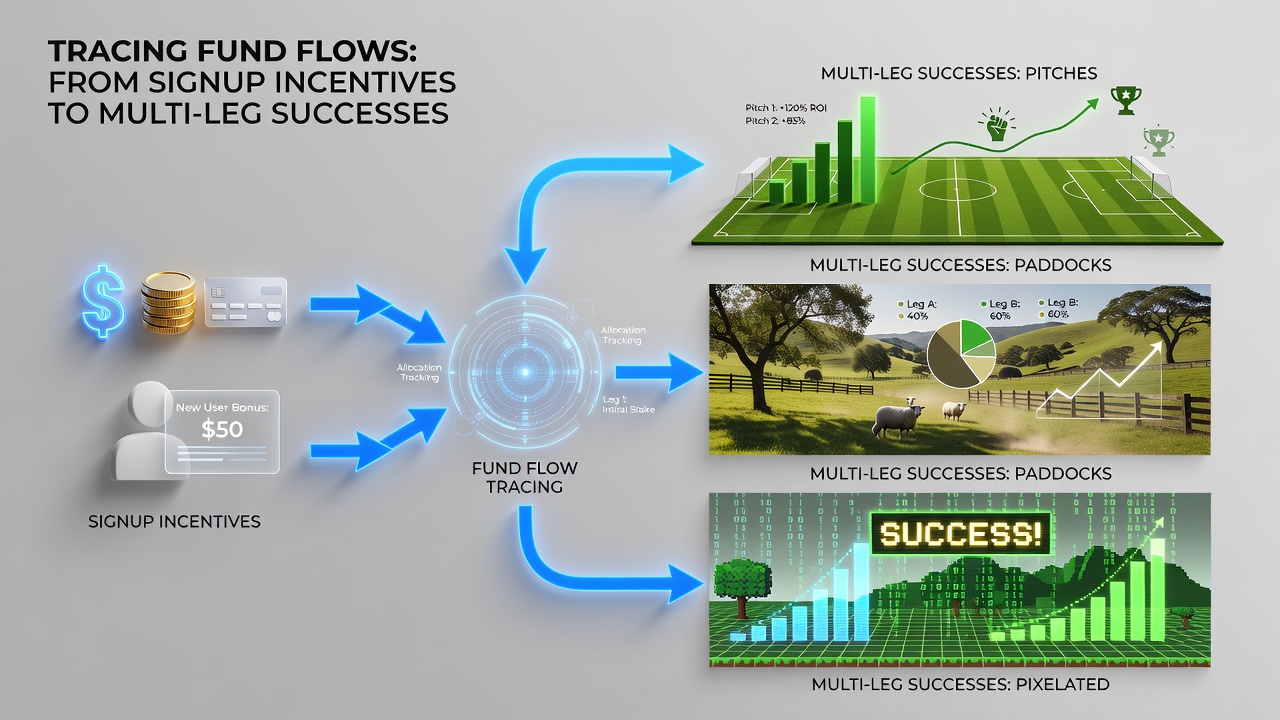
Signup incentives in app-driven platforms often serve as the starting point for fund movements that stretch across football pitches, horse racing paddocks, virtual arenas, and casino felt tables. These bonuses enter user accounts as restricted or free credits, then convert into wagers that combine outcomes from multiple categories before reaching successful payouts. Data from industry reports indicate that such flows have gained visibility as platforms integrate soccer, thoroughbred, digital simulations, and table games within single interfaces.
Initial Deposit and Bonus Activation Patterns
Users typically activate welcome offers by completing a minimum deposit, after which platforms credit matching amounts or free bets that carry specific wagering requirements. These requirements dictate how funds move from the bonus balance into real-money bets, with operators tracking each step through internal ledgers. Figures from the American Gaming Association reveal that bonus-related wagering volumes rose noticeably during the first half of 2026, particularly in mobile environments where instant transfers between categories occur.
Once activated, the credits flow into accumulator structures that link events such as match results on pitches with finishes at racing tracks. Platforms apply algorithmic checks to ensure compliance before releasing any winnings, and this process creates traceable records that auditors review. Observers note that the same mechanisms apply when users extend chains into pixelated virtual fields or card rooms on felt surfaces.
Cross-Category Accumulator Construction
Multi-leg successes emerge when bettors combine selections from different verticals into single tickets. A typical chain might start with a soccer goal total, add a horse racing place finish, incorporate a virtual speed result, and close with a blackjack hand. Each leg draws from the initial incentive pool until the entire structure settles, at which point platforms calculate net returns after deducting any remaining requirements.
Payment velocity plays a direct role here because rapid deposit confirmations allow users to layer additional legs before cut-off times. Research from the Australian Gambling Research Centre shows that platforms with sub-second processing times recorded higher volumes of four-leg and five-leg accumulators during spring 2026. Those same systems maintain separate tracking for bonus portions versus deposited funds, ensuring that wins from mixed categories receive correct allocation.
Regulatory and Operational Tracking in Mid-2026
By July 2026 several jurisdictions had updated reporting standards that require platforms to log every transfer from signup incentives into settled multi-leg positions. Canadian regulators, for instance, now request quarterly summaries that break down bonus usage by sport and game type. These records help authorities verify that funds originating as promotional credits reach only eligible users and comply with stake limits where applicable.
Industry associations such as the European Gaming and Betting Association have published guidelines that encourage standardized data fields for tracing these movements. The guidelines emphasize real-time reconciliation between bonus wallets and main balances, which reduces discrepancies when accumulators span four or more categories. Operators that adopted these standards earlier reported smoother audits and fewer disputes over payout timing.
Settlement and Payout Mechanics
Successful multi-leg tickets trigger automated settlement routines that release net winnings after subtracting any unfulfilled wagering obligations. Funds then move into withdrawable balances or remain available for further bets, depending on user preferences and platform rules. Studies from university research teams in New Zealand have documented that faster settlement cycles correlate with higher repeat engagement across mixed-category accumulators.
Platforms also maintain backup ledgers that record every adjustment, including partial bonus forfeitures or promotional top-ups. This infrastructure supports the overall flow from initial signup incentives through to final distributions, whether those distributions land in bank accounts or stay within the app ecosystem for subsequent activity.
Conclusion
The pathway from signup incentives to multi-leg successes across pitches, paddocks, pixelated fields, and felt tables relies on integrated tracking systems that platforms refined throughout 2026. Regulatory updates and industry standards have increased transparency around these movements, while technological improvements in payment speed continue to support complex accumulator construction. Data from multiple regions confirm that such flows remain a core component of activity within app-driven environments.