High Stakes Surge: Britain's Betting Scene Heats Up with Fresh Twists
3 Apr 2026
UK Gambling Commission Unveils Q2 2025-2026 Stats: £4.3 Billion GGY Surge Led by Remote Sectors and Solid Betting Shop Network
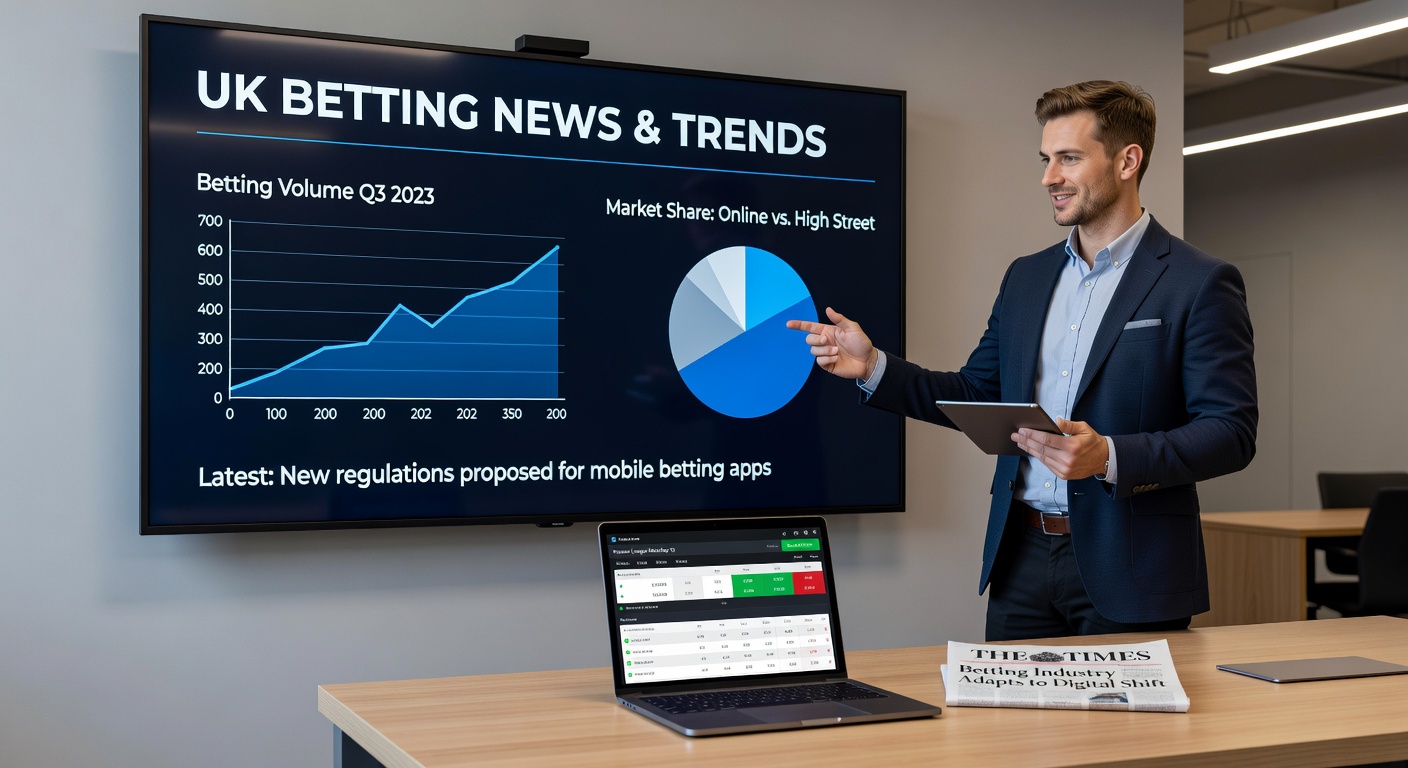
Quarterly Snapshot from the Gambling Commission
The UK Gambling Commission dropped its latest quarterly report covering Q2 of the 2025-2026 financial year, spanning July through September 2025, and figures reveal a total gross gambling yield (GGY) of £4.3 billion across Great Britain's gambling industry when lotteries join the tally; strip those out, though, and the core sectors clock in at £3.2 billion, showcasing steady momentum in a landscape shaped by digital shifts and physical outposts alike.
GGY, that key metric tracking operator profits after player winnings but before other costs, paints a clear picture of industry health, and these numbers land amid whispers of 2026 regulatory tweaks that could ripple through April's fiscal horizon, yet observers note the data stands firm on its own terms without speculation.
What's interesting here surfaces in the split between remote and non-remote activities, where online casino, betting, and bingo realms raked in £2.0 billion, dwarfing the £592 million from land-based betting, while 5,782 betting shops dotted the map, holding their ground as community fixtures even as virtual platforms dominate yields.
Remote Sectors Power the Bulk of Yields
Remote gambling—think slots spinning on apps, live dealer tables via browsers, football bets placed mid-match—generated that hefty £2.0 billion in GGY, a figure that underscores how smartphones and broadband have transformed wagering from corner-shop slips to seamless digital flows; casino games led remotely, followed by betting on sports from Premier League clashes to virtual horse races, with bingo holding niche appeal through chatty online rooms.
Experts tracking these trends point out remote casino yields often eclipse others due to 24/7 access and diverse titles, yet betting's remote arm thrives on real-time odds shifts, pulling in punters chasing accumulators or in-play edges; bingo, meanwhile, draws loyal crowds with progressive jackpots, and together they form this £2.0 billion powerhouse, outpacing physical counterparts by wide margins.
But here's the thing: this remote dominance isn't new, although Q2's numbers affirm the pattern, with operators leveraging AI-driven personalization to boost engagement, all while compliance checks ensure fairness under Commission oversight.
Non-Remote Betting Holds Steady with 5,782 Shops Nationwide
Land-based betting shops, those 5,782 venues scattered from London high streets to Scottish towns, contributed £592 million in GGY, a respectable haul considering footfall challenges and rising online alternatives; each shop averages modest yields, yet collectively they anchor local economies, employing staff who handle everything from quick singles to complex multis on racing cards.
Take one typical operator with outlets in Manchester and Leeds: data from similar reports shows such networks sustain yields through loyalty programs and screen banks flashing live odds, while the Commission confirms all operate under strict licensing, mitigating risks like underage access or problem play.
And while remote yields soar, these shops persist because punters value the social buzz—chatting over slips, watching races unfold on communal TVs—proving physical presence still matters in an app-heavy world; turns out, 5,782 spots mean broad coverage, with urban clusters balancing rural outposts.

Lotteries' Role in the Bigger £4.3 Billion Picture
Lotteries pushed the total GGY to £4.3 billion, adding that £1.1 billion gap over the £3.2 billion non-lottery figure, as National Lottery draws and society lotteries draw millions weekly; operators like Camelot report consistent ticket sales, fueled by rollovers and instant wins, creating a yield buffer that stabilizes overall industry stats.
Figures reveal lotteries appeal across demographics, from young ticket buyers via apps to older players at newsagents, and their inclusion broadens the Commission's quarterly view, capturing a full-spectrum snapshot; without them, the £3.2 billion highlights commercial gambling's core, but with lotteries in, £4.3 billion reflects the UK's diverse gambling tapestry.
So, as Q2 wraps September 2025, these lottery yields underscore reliability, especially with big jackpots lighting up headlines and sustaining operator revenues amid seasonal sports lulls.
Breaking Down the Financial Year Context
The 2025-2026 financial year kicked off in April 2025, positioning Q2 as a summer stretch heavy on football pre-seasons, Wimbledon wagers, and early racing meets, all feeding into yields; remote sectors capitalized on mobile surges during commutes or barbecues, while betting shops saw upticks from tourists and locals betting on Euro qualifiers.
Data indicates non-remote betting's £592 million aligns with shop counts, suggesting per-venue efficiency around £100,000 quarterly, a grind that rewards volume over margins; remote's £2.0 billion, spread across fewer physical points but infinite virtual ones, leverages scale, with platforms handling millions of transactions seamlessly.
Observers note how Q2 avoids holiday distortions, offering a pure gauge of baseline activity, and as April 2026 nears the fiscal year's endgame, these stats set benchmarks for upcoming quarters potentially influenced by affordability checks or stake caps on the horizon.
Yet the report sticks to hard numbers: £4.3 billion total, £3.2 billion core, remote at £2.0 billion, non-remote betting £592 million, 5,782 shops—a dataset operators pore over for strategy tweaks, from promo timing to tech upgrades.
Sector Interplay and Operator Insights
Remote casino yields, often the remote trio's heavyweight, blend slots with table games, drawing yields through high-volume spins; betting remotely thrives on volume too, with football and horses dominating slips, while bingo adds social yield via community events online.
One case from Commission-tracked operators shows a platform blending remote betting with casino crossovers, boosting overall GGY through unified apps; non-remote shops counter with hybrid models, offering terminals linked to remote pools, yet their £592 million stands alone as pure land-based muscle.
That's where the rubber meets the road: 5,782 shops ensure accessibility for those preferring cash or face-to-face service, and while remote leads, the combo sustains £3.2 billion excluding lotteries, a testament to balanced ecosystems.
Now, lotteries' £1.1 billion uplift to £4.3 billion highlights their outlier status, regulated separately but integral to national stats, with draws like EuroMillions fueling dreams and yields alike.
Implications for Industry Tracking
These Q2 figures equip stakeholders with baselines for forecasting, as remote growth signals digital investment priorities, while shop stability prompts maintenance spending; Commission data, refreshed quarterly, aids compliance and policy shaping, especially with 2026's April markers looming for fiscal closes.
People in the know use such reports to benchmark peers—say, one operator eyeing remote expansion after seeing £2.0 billion potential—yet all navigate under uniform rules ensuring player protections like deposit limits and self-exclusion tools.
It's noteworthy that GGY excludes taxes and operational costs, focusing purely on gross margins post-payouts, so £4.3 billion reflects raw sector vigor before broader economics bite.
Key Takeaways and Forward Glance
Summing it up, the UK Gambling Commission's Q2 2025-2026 release spotlights £4.3 billion GGY including lotteries, £3.2 billion without, remote casino-betting-bingo at £2.0 billion, non-remote betting £592 million from 5,782 shops—a clear-eyed view of an industry blending digital booms with physical roots.
As the financial year progresses toward March 2026, these stats anchor discussions on sustainability, with remote sectors steering yields and shops providing grassroots glue; turns out, in gambling's fast lane, such data keeps everyone on track, informing bets placed today and strategies for tomorrow.