22 Jul 2026
Mobile App Designs Streamline Multi-Bet Construction in Football, Racing, and Virtual Events
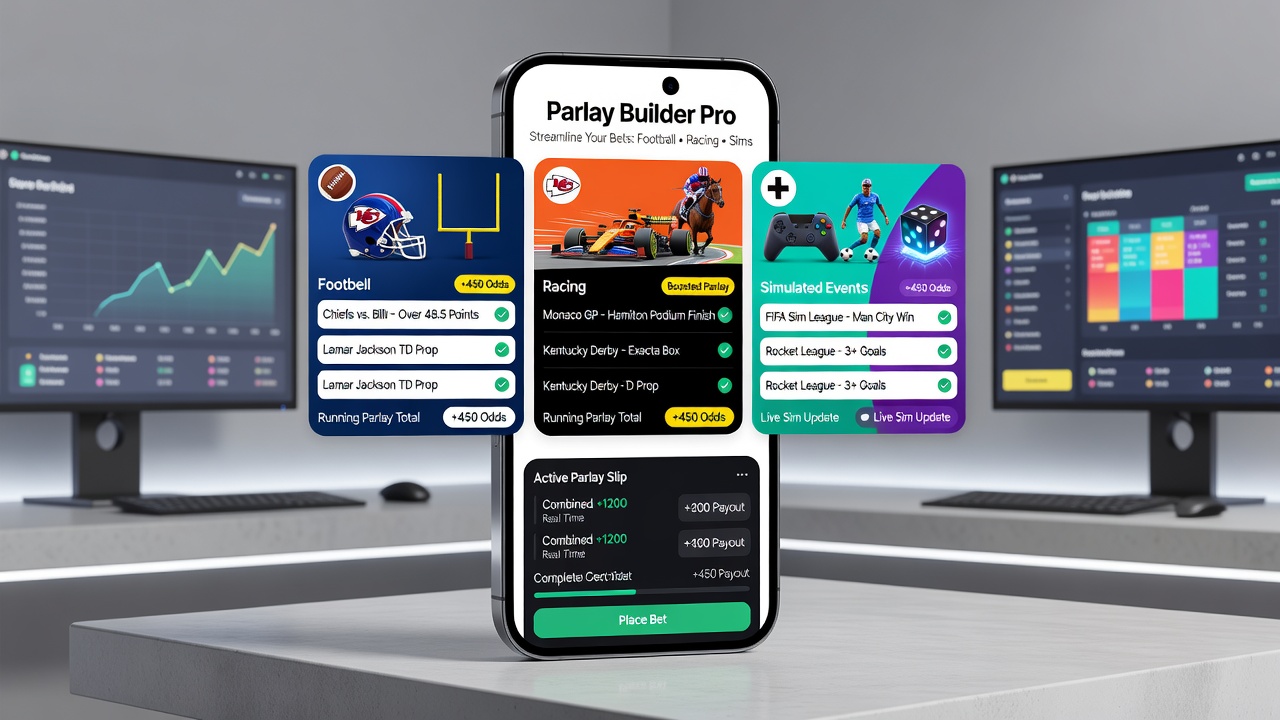 Mobile applications now integrate tools that let users assemble parlays spanning football matches, horse racing events, and simulated competitions without switching between separate platforms. These interfaces combine selection panels, real-time odds displays, and automated stake calculators into single screens. Data from industry reports indicate that such unified designs reduce the number of steps required to finalize a multi-leg wager by up to 40 percent compared with earlier browser-based systems. Football sections within these applications display team statistics alongside live odds for individual legs. Users tap player performance metrics or match outcomes, and the system automatically populates an accumulator slip while adjusting potential returns. Racing modules add form guides, track conditions, and jockey records directly into the same builder view, allowing seamless addition of equine selections to existing football legs. Simulated events appear as additional categories that users insert without leaving the active parlay screen. Observers note that predictive text and swipe gestures further accelerate the process. When a user selects a football result, the interface suggests compatible racing or virtual options based on historical correlation patterns stored in the app database. This feature appears most frequently in applications updated during the first half of 2026, coinciding with broader platform refreshes across multiple operators.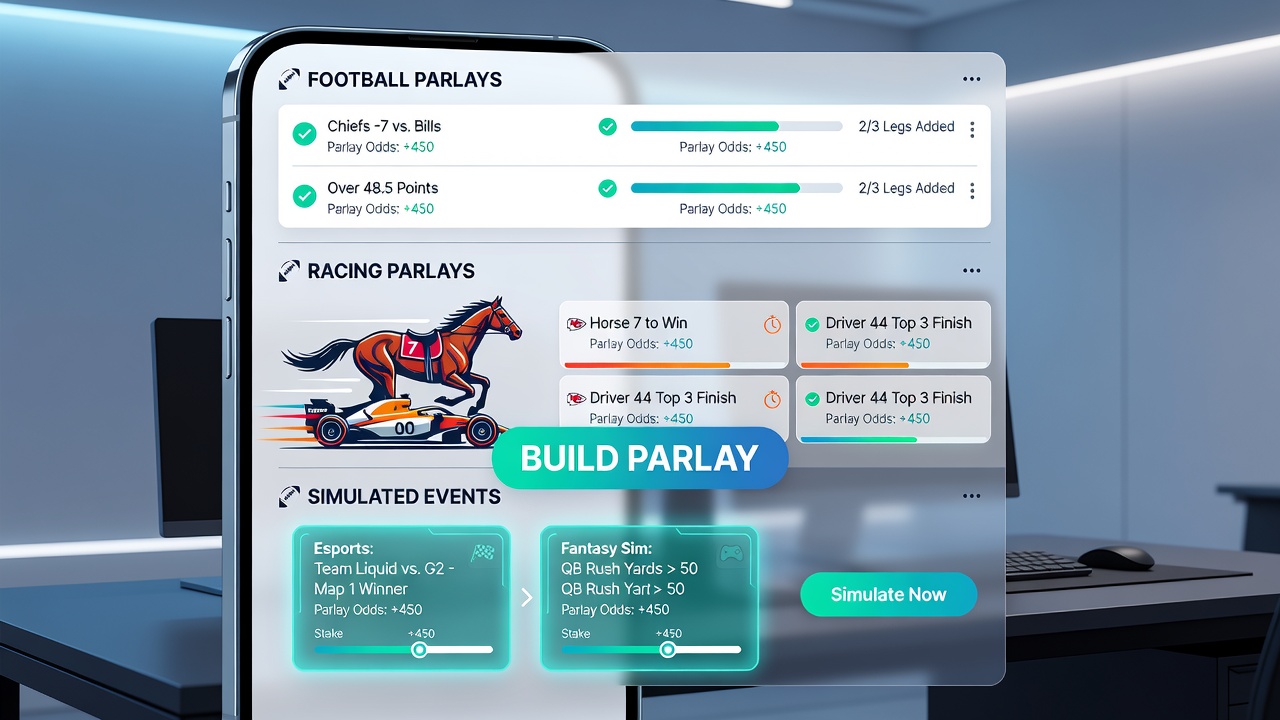
Mobile applications now integrate tools that let users assemble parlays spanning football matches, horse racing events, and simulated competitions without switching between separate platforms. These interfaces combine selection panels, real-time odds displays, and automated stake calculators into single screens. Data from industry reports indicate that such unified designs reduce the number of steps required to finalize a multi-leg wager by up to 40 percent compared with earlier browser-based systems. Football sections within these applications display team statistics alongside live odds for individual legs. Users tap player performance metrics or match outcomes, and the system automatically populates an accumulator slip while adjusting potential returns. Racing modules add form guides, track conditions, and jockey records directly into the same builder view, allowing seamless addition of equine selections to existing football legs. Simulated events appear as additional categories that users insert without leaving the active parlay screen. Observers note that predictive text and swipe gestures further accelerate the process. When a user selects a football result, the interface suggests compatible racing or virtual options based on historical correlation patterns stored in the app database. This feature appears most frequently in applications updated during the first half of 2026, coinciding with broader platform refreshes across multiple operators.Interface Features Across Core Categories
Football interfaces prioritize rapid leg addition through categorized filters for leagues, goal totals, and player specials. Once selections enter the slip, the display updates combined odds instantly and flags any conflicting legs that cannot coexist under standard rules. Racing components present racecards with embedded buttons that transfer chosen horses straight into the accumulator while preserving prior football choices. Simulated event panels list computer-generated matches with fixed schedules, enabling users to insert outcomes that fill gaps in payout timelines. Studies conducted by the University of Nevada, Las Vegas Center for Gaming Research show that applications employing tabbed navigation between sports categories maintain higher completion rates for complex parlays than those relying on sequential menus. The research tracked user sessions through July 2026 and recorded average build times dropping from 4.2 minutes to 2.7 minutes after interface updates.Integration of Simulated Events
Simulated competitions occupy dedicated rows in many parlay builders because their fixed intervals complement irregular football and racing schedules. Users select virtual outcomes through the same gesture controls applied to real events, and the interface merges all legs into one payout calculation. This arrangement produces continuous betting opportunities during off-peak hours when live fixtures pause. Applications often embed probability indicators derived from simulation algorithms next to each virtual option, helping users compare risk levels across categories without external references. Figures released by the Australian Gambling Research Centre indicate that combined football-racing-virtual parlays increased 18 percent year-over-year through mid-2026 in markets where mobile interfaces support cross-category selection.