24 May 2026
Payment Pathways Enabling Progressive Bonuses for Portable Virtual Racing and Live Table Activities
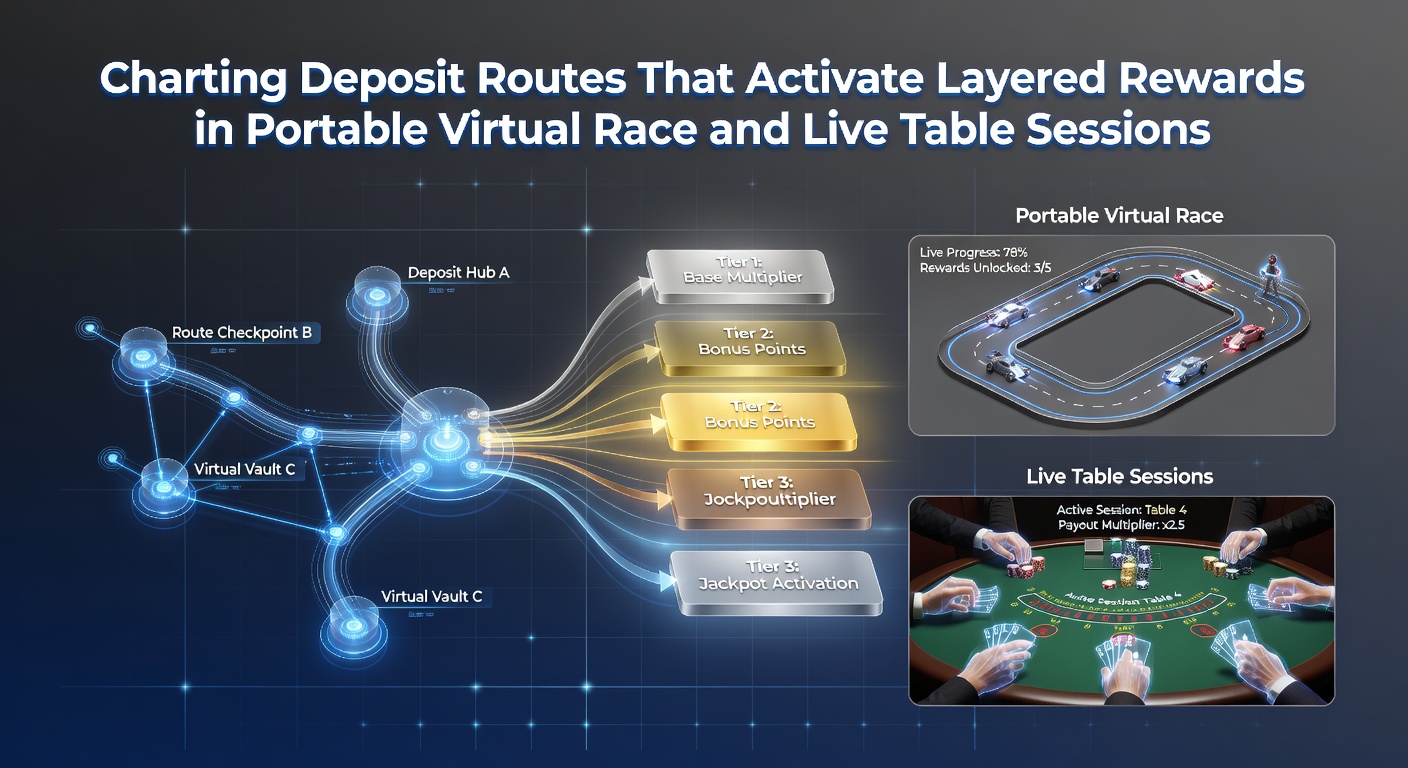
Payment methods in mobile betting environments connect directly to reward structures that build across virtual racing events and live dealer tables, with specific deposit routes determining how bonuses activate and compound over multiple sessions. Observers note that users who map these pathways gain access to tiered incentives tied to transaction speed, amount thresholds, and activity combinations rather than random promotions.
Core Deposit Channels and Their Reward Triggers
Digital wallets, bank transfers, and prepaid cards each route funds into betting accounts at different velocities, which in turn determines the first layer of bonuses applied to virtual race entries and live table stakes. Research from the European Gaming and Betting Association indicates that instant wallet deposits often unlock immediate credit matches, while scheduled bank transfers activate delayed but higher-percentage rewards once cleared. Those who study transaction logs find that combining two or more channels within a single cycle frequently satisfies the conditions for a second reward tier, particularly when virtual sprints and live blackjack rounds occur in the same window.
Payment velocity also influences how quickly layered rewards propagate across platform sections. Fast deposits feed into virtual racing pools where multipliers apply to consecutive wins, then carry over as table credits once live dealer sessions begin. Data shows that accounts funded through verified e-wallets maintain higher completion rates for these multi-stage bonuses compared with slower methods, because the initial credit arrives before session timers expire.
Integration of Virtual Racing and Live Table Mechanics
Virtual race platforms generate outcomes through random number generators calibrated to real track statistics, and live table sessions stream from physical studios with human dealers. Deposit routes that activate layered rewards must satisfy criteria spanning both environments, such as minimum stakes placed on virtual thoroughbreds followed by equivalent wagers at live roulette wheels. Analysts tracking user behavior report that sequences starting with smaller virtual race bets and scaling into live table play tend to meet the progressive unlock conditions more reliably than single-environment approaches.
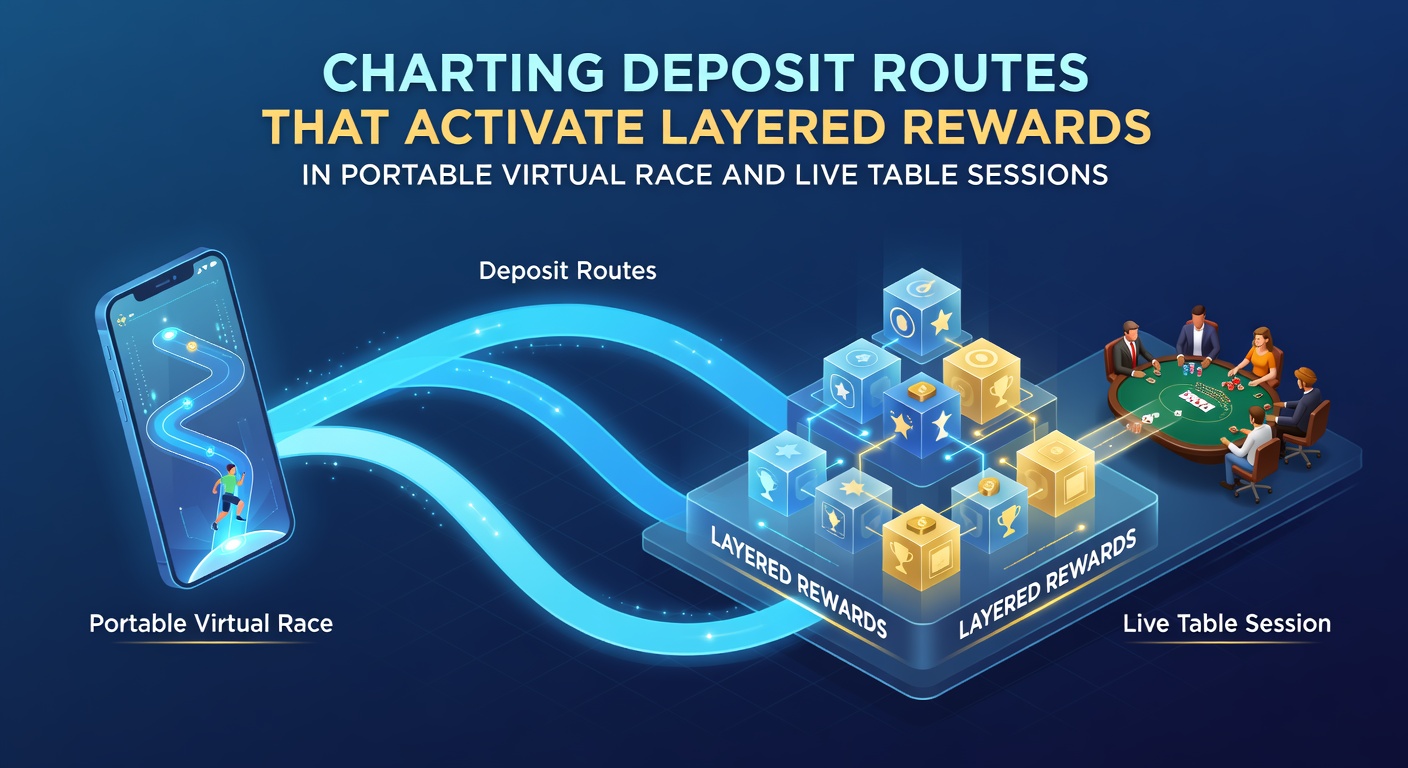
Layered structures typically require an initial deposit to release a base bonus, a second activity threshold to double that amount, and a third cross-platform condition to apply a final multiplier. Figures from industry reports reveal that users completing all three steps within 48 hours see the highest average reward values, especially when virtual race results feed directly into live table chip stacks via in-app transfers.
Shifts Toward Mobile Platforms by May 2026
High street betting locations face scheduled closures beginning May 2026 amid rising operational costs, which accelerates the migration of reward programs onto mobile interfaces. Payment pathways that previously supported in-shop funding now emphasize app-based deposits capable of triggering the same layered structures for virtual racing and live tables. Those monitoring industry transitions note that operators have updated their systems to recognize cross-device funding as a single continuous route, preserving bonus continuity even when physical venues disappear.
Regulatory frameworks in regions outside the UK, including oversight by the Australian Communications and Media Authority, require clear disclosure of how deposit routes translate into rewards across game types. Compliance documentation shows that transparent mapping of these pathways reduces user disputes and improves retention metrics for mobile virtual and live offerings.
Practical Mapping of Routes for Maximum Layer Activation
Users begin by selecting a deposit method that matches the velocity needed for the first reward tier, then schedule follow-up transactions timed to virtual race schedules and live table availability. Case examples documented in research papers demonstrate that linking a wallet deposit to an immediate virtual sprint entry, followed by a live dealer session within the same hour, satisfies conditions for the second adn third layers simultaneously. Observers emphasize that monitoring account ledgers after each step reveals whether the layered structure has advanced or reset.
Support networks integrated into mobile apps provide real-time status on deposit clearance and reward eligibility, allowing adjustments before session windows close. Data from Canadian provincial gaming reports indicates that accounts utilizing these tools complete layered reward cycles at rates 15 to 20 percent higher than those relying on manual tracking alone.
Conclusion
Deposit routes that activate layered rewards in portable virtual racing and live table sessions operate through measurable connections between payment velocity, activity sequencing, and platform rules. With physical locations closing from May 2026 onward, these mobile pathways represent the primary mechanism for accessing progressive incentives. Tracking transaction outcomes across both virtual and live environments supplies the data needed to navigate the system effectively, while external regulatory sources continue to document evolving standards for transparency in these processes.