15 Jul 2026
Streamlined Settlements in Hybrid Accumulators: How Support Structures Enhance Payout Flows Across Virtual Races and Live Dealer Tables
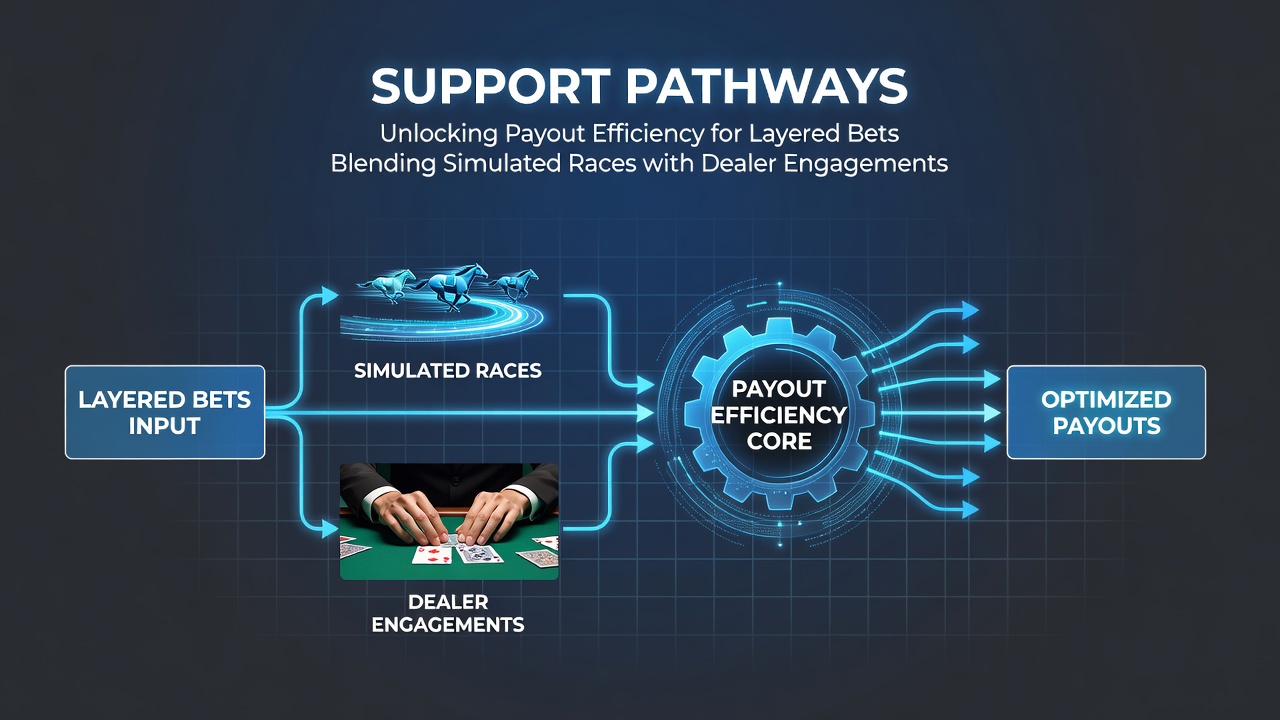 Support pathways have emerged as key mechanisms that connect customer service teams with automated verification systems, allowing layered bets to resolve faster when they combine simulated races and live dealer engagements. These pathways route queries through dedicated channels that link transaction logs from virtual racing platforms directly to dealer session records, reducing the time operators spend cross-checking outcomes before releasing funds. Layered bets, often structured as accumulators spanning multiple legs, gain complexity when one segment draws from algorithm-driven race simulations while another pulls from real-time card or roulette tables staffed by dealers. Observers note that operators have deployed dedicated routing protocols since early 2025, and these protocols direct payout requests to specialized teams equipped with unified dashboards that display both simulation seed data and dealer timestamp logs side by side.
Integration Points Between Virtual Simulations and Live Dealer Sessions
Data from industry reports indicates that hybrid accumulators grew in volume during the first half of 2026, with operators reporting that blended products now represent a measurable share of total handle in several markets. Support pathways address the resulting verification challenges by maintaining synchronized clocks between simulation engines and dealer management software, so settlement teams can confirm leg results without sequential delays.
When a layered bet includes a virtual race outcome generated by certified random number generators alongside a blackjack hand dealt at a live table, the support system flags the bet for parallel review rather than sequential checks. This parallel approach shortens the interval between bet conclusion and fund release, particularly during peak evening hours when dealer tables process high volumes of wagers.Technical Components of Payout Efficiency Pathways
Research published by the International Gaming Institute at the University of Nevada highlights how API bridges between virtual racing modules and live dealer platforms allow real-time status updates to flow into a central payout queue. These bridges transmit outcome hashes from simulations and video-verified dealer results through the same validation layer, cutting manual reconciliation steps by measurable margins according to the study authors.
Operators have also introduced tiered escalation rules that route routine hybrid bet settlements to automated approval scripts, while directing only disputed outcomes to human specialists. The scripts reference both the simulation audit trails and the dealer session recordings stored in encrypted archives, ensuring compliance documentation remains intact for regulatory audits.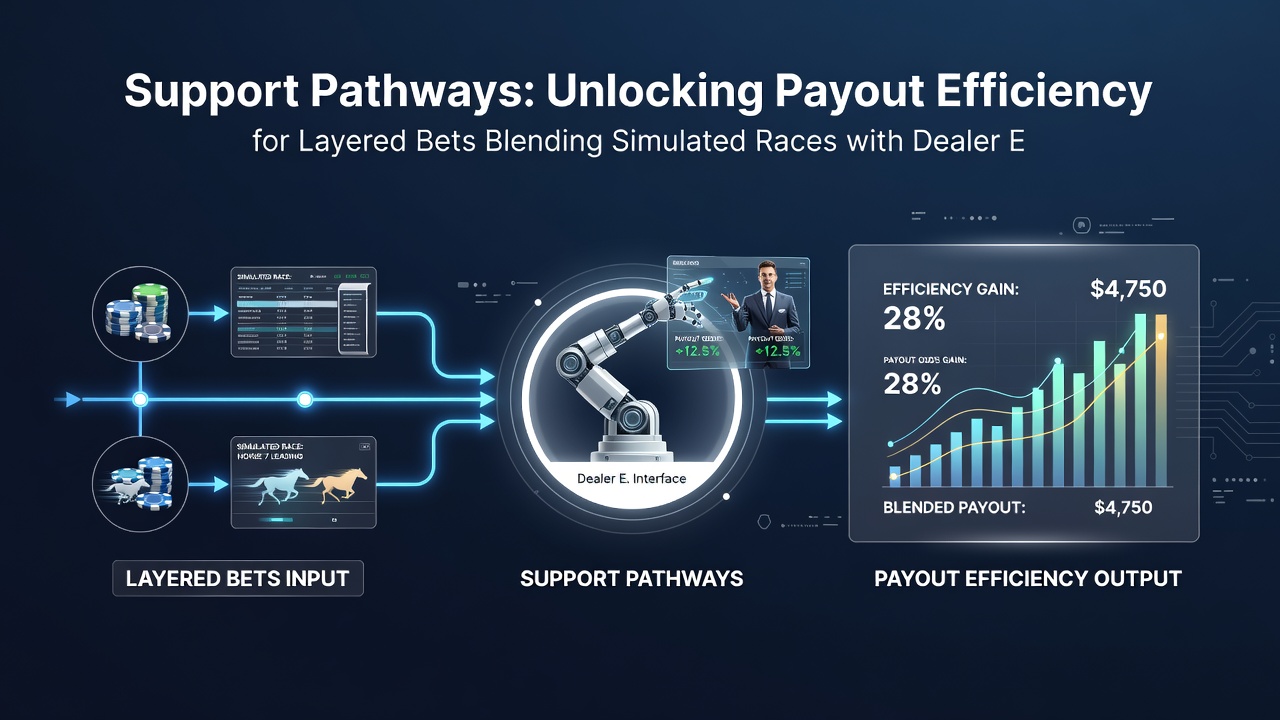
Operational Workflows Observed in July 2026
By July 2026 several platforms had rolled out updated workflow dashboards that display layered bet status in a single consolidated view, pulling data from both simulated race servers and live dealer studios. Staff members assigned to these dashboards follow standardized checklists that verify leg integrity across environments before authorizing release, and the checklists incorporate flags for common edge cases such as interrupted dealer streams or simulation seed mismatches.
Training materials distributed to support teams emphasize recognition of patterns that trigger additional verification, for instance when a virtual race leg closes within seconds of a live dealer table outcome. Teams apply these patterns to prioritize queue positions, moving high-confidence settlements ahead of those requiring extra documentation.Links to Broader Industry Data Sources
Figures released by the European Gaming and Betting Association show continued expansion of multi-format betting products across regulated markets, while separate analysis from the Australian Institute of Family Studies notes rising player engagement with combined virtual and live offerings. Support pathways appear in both reports as operational features that operators cite when describing settlement time reductions.
Operators continue to refine these pathways by incorporating feedback loops that log payout resolution times and feed the data back into queue management algorithms. The loops capture variables such as dealer table occupancy rates and simulation engine load, allowing dynamic adjustment of staffing levels during periods of elevated hybrid bet activity.Conclusion
Support pathways now form an established layer within payout operations for layered bets that blend simulated races with dealer engagements. These structures route verification tasks through unified interfaces, apply parallel review processes, and maintain synchronized data streams that shorten settlement intervals while preserving audit trails. As platforms update their systems through 2026, the same pathways provide scalable frameworks that accommodate growing volumes of hybrid accumulators without proportional increases in manual intervention.