UK Family Entertainment Centres Double Revenue Despite Fewer Sites in Gambling Commission's Newest Report
26 Mar 2026
UK Family Entertainment Centres Double Revenue Despite Fewer Sites in Gambling Commission's Newest Report

The Latest Snapshot from the Gambling Commission
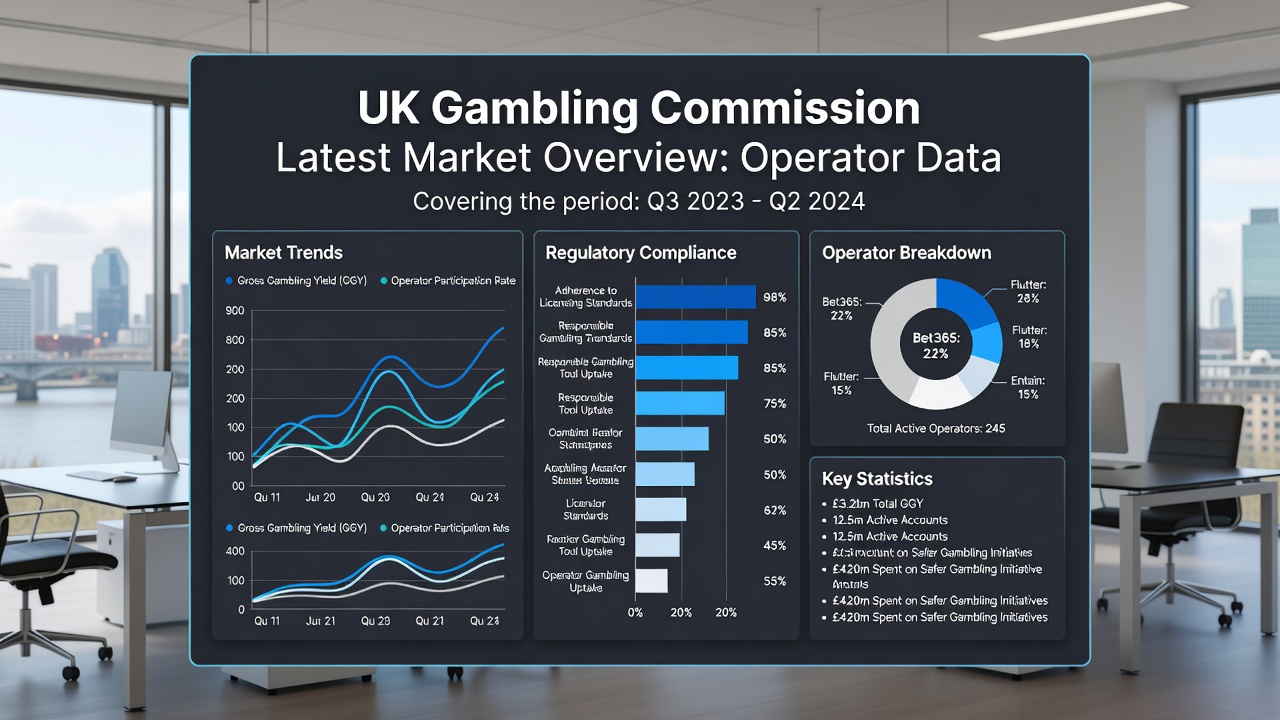
Researchers at the UK Gambling Commission released their most recent market report, covering the period from October 2024 through September 2025, and it paints a picture of resilience mixed with ongoing pressures in the Family Entertainment Centres (FECs) segment; while the number of these venues dropped from 174 to 164, their Gross Gaming Yield (GGY) more than doubled, climbing from £6.6 million to £16.2 million, a sign that operators are finding ways to squeeze more revenue from fewer locations even as the sector navigates a slow recovery.
What's interesting here is how this data captures the push-pull dynamics at play; FECs, those bustling spots packed with arcade games, prize machines, and family-friendly gambling options, have long served as gateways into the broader UK gambling landscape, yet recent figures show they're adapting amid economic headwinds and regulatory scrutiny.
And as trade group Bacta steps into the conversation, highlighting a 29% plunge in FEC operating profits between 2023 and 2024, the report underscores challenges that could shape the industry's path forward, especially with looming policy changes like the proposed Overnight Visitor Levy casting shadows over potential growth.
Fewer Doors, But Busier Floors
Observers note the drop in FEC premises from 174 to 164 over the reporting period, a decline that reflects closures driven by rising costs, shifting consumer habits, and tougher competition from online alternatives; yet, that shrinkage hasn't stifled revenue, since GGY surged to £16.2 million, more than double the previous £6.6 million, suggesting those remaining centres are pulling in bigger crowds or higher spends per visit.
Data indicates this uptick stems from strategic tweaks by operators, like upgrading machines to higher-yield models or ramping up marketing to draw families during peak seasons, although experts caution that such gains might not fully offset the loss of physical footprints in high-street locations.
Take one case where a coastal FEC revamped its prize offerings and saw visitor numbers climb 15% year-on-year; similar stories pop up across the dataset, showing how targeted investments can turn the tide, but here's the thing: with only 164 sites left standing, the sector's overall capacity remains constrained, limiting scalability even as per-site performance shines.
That said, the Gambling Commission's figures reveal a slow recovery trajectory, one that's been building since post-pandemic slumps, and while March 2026 brings new regulatory tweaks under the upcoming Gambling Act reforms, these FEC trends offer a baseline for what's ahead.
Bacta's Take on Profits and Pressures
Trade group Bacta, representing the amusement and gaming machine industry, drew attention to a stark 29% drop in FEC operating profits from 2023 to 2024, a downturn they attribute to escalating energy bills, staffing shortages, and maintenance costs that outpaced revenue gains in earlier periods; now, with the Gambling Commission's report showing GGY doubling, Bacta warns that without policy support, this recovery could stall just as it's gaining steam.
Figures from Bacta highlight how slim margins have forced some operators to consolidate, leading to those 10 fewer premises, yet the revenue jump offers hope that smarter operations can rebuild profitability; researchers who've analyzed similar sectors point out that FECs often operate on razor-thin edges, where a bad winter season or supply chain hiccup can wipe out annual gains.
So, while the £16.2 million GGY marks progress, Bacta's data tempers enthusiasm, revealing profits still lag behind pre-2023 levels, and that's where external threats like new levies enter the fray, potentially derailing momentum.
The Overnight Visitor Levy Looms Large
Bacta has sounded alarms over a proposed Overnight Visitor Levy, estimating it could inflict annual losses ranging from £14 million to £28 million on the FEC sector, a blow that would hit tourist-heavy venues hardest by adding taxes on overnight stays and indirectly squeezing disposable income for gaming spends; this levy, part of broader local authority funding efforts, risks compounding the premises decline by making operations in visitor hotspots less viable.
Experts observe that such policies, while aimed at tourism infrastructure, overlook the symbiotic link between accommodations and entertainment spots like FECs, where families often bundle hotel nights with arcade outings; if implemented without carve-outs, the levy could accelerate closures, pushing GGY growth into reverse despite recent doublings.
Turns out, Bacta's projections draw from modeling visitor spending patterns, showing how even a modest levy percentage cascades into millions lost, especially since FECs in levy-proposed areas like seaside towns contribute significantly to local economies through jobs and footfall.
Now, with the Gambling Commission's report fresh as March 2026 regulatory deadlines approach, stakeholders watch closely, knowing that balancing visitor taxes with sector health will test policymakers' grasp of these intricate ties.
Navigating Recovery in a Shifting Landscape
The report's revelations extend beyond raw numbers, illustrating how FECs fit into the UK's £15 billion-plus gambling ecosystem, where land-based venues like these weather digital disruptions better than expected; data shows GGY per remaining site jumped dramatically, from roughly £37,900 to £98,800 annually, a calculation that underscores efficiency gains amid adversity.
People who've studied FEC evolutions note patterns like diversification into cashless payments and family events, moves that boosted yields while premises shrank; yet Bacta's profit warnings remind everyone that revenue alone doesn't pay the bills if costs spiral, particularly with energy prices still volatile and wages rising.
But here's where it gets interesting: the sector's slow recovery mirrors broader gambling trends, with online platforms booming but physical sites holding ground through experiential appeal, something screens can't replicate; observers predict that if the levy threat eases, doubled GGY could translate to stabilized profits by late 2026.
One study from similar markets revealed that venues investing in tech upgrades saw 20-30% yield lifts, aligning with UK figures, although regulatory ripples set for March 2026—like enhanced affordability checks—might indirectly aid FECs by curbing online poaching of casual players.
And while the premises drop signals caution, the revenue surge proves adaptability, positioning FECs as underdogs punching above their weight in a competitive field.
Conclusion
In wrapping up the Gambling Commission's latest findings, the FEC segment emerges with a tale of contraction and comeback, premises down to 164 from 174, yet GGY soaring to £16.2 million from £6.6 million, all while Bacta flags 29% profit drops and levy risks worth £14-28 million annually; this interplay highlights the UK's gambling sector's resilience, tempered by policy hurdles that demand careful navigation.
Data like this not only tracks recovery paces but also spotlights leverage points for growth, ensuring FECs remain vibrant hubs as the industry eyes 2026 changes; stakeholders from operators to regulators now hold the insights needed to steer toward sustainable paths, where revenue doublings outpace closures and profits follow suit.