28 Jun 2026
Unified Support Mechanisms and Payment Channels for Constructing Elaborate Betting Combinations in Soccer, Equine Racing, Simulated Events, and Hosted Gaming Tables
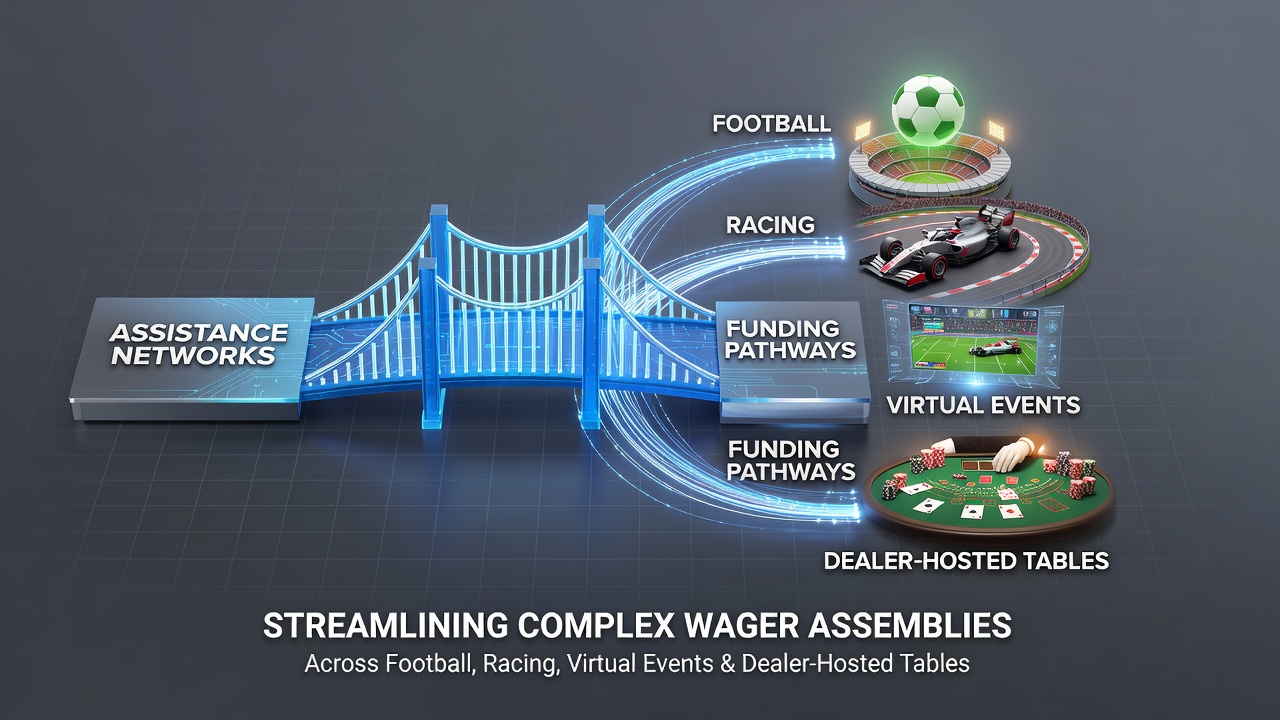
Assistance networks and funding pathways connect across betting platforms to handle layered wager structures that combine outcomes from football matches, horse racing events, virtual simulations, and dealer-hosted table games, with operators maintaining dedicated teams and integrated payment systems that process multi-leg selections while verifying account balances and bonus eligibility in real time. Observers note that these frameworks allow users to build accumulators by drawing from live odds feeds and historical data sets, and data from industry reports shows increased transaction volumes during peak periods such as major tournament schedules in 2026.
Core Components of Assistance Networks
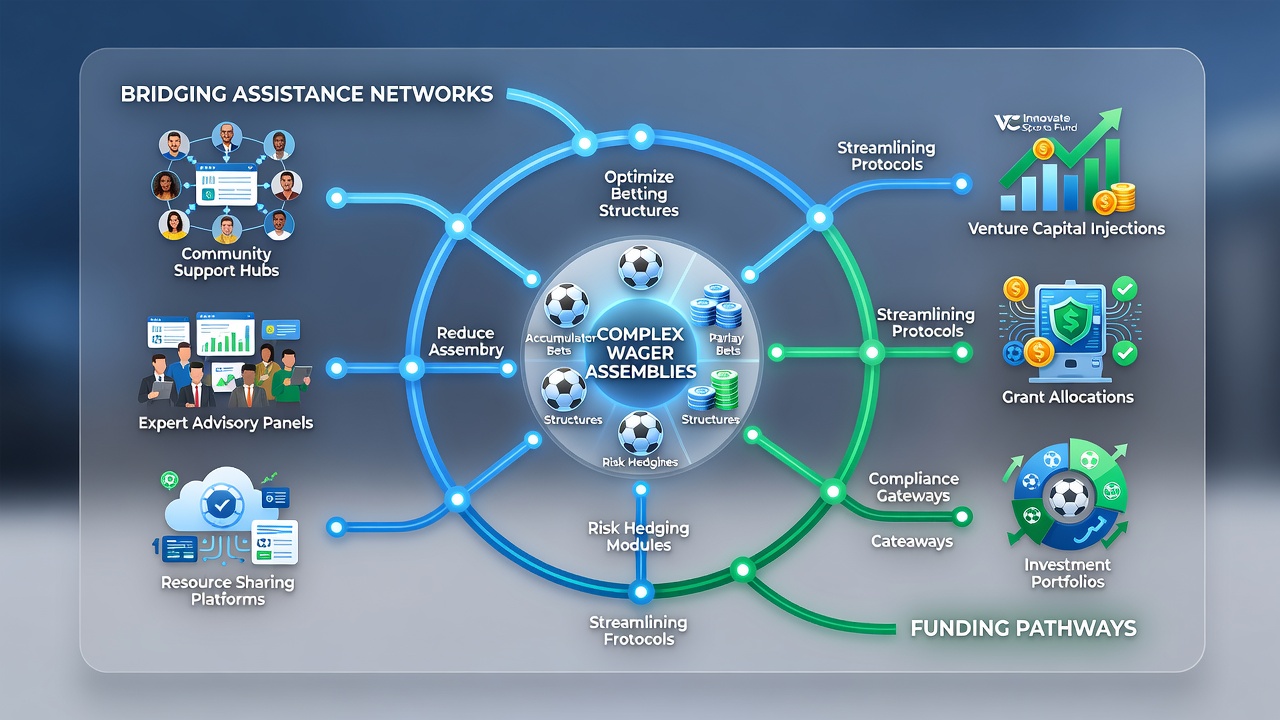
Assistance networks consist of customer support channels, automated verification tools, and regulatory compliance modules that operate together to resolve issues during wager construction, and these elements activate when users attempt to combine selections from different categories where odds formats or event timings differ. Researchers at various institutions have documented how such networks reduce processing delays by routing queries to specialized agents who access unified dashboards displaying football fixtures alongside racing results and virtual event schedules, while June 2026 updates to platform protocols further synchronized these tools with mobile applications for faster response times.
Funding Pathways and Their Integration
Funding pathways encompass bank transfers, e-wallet services, and instant credit options that link directly to betting accounts, and operators design these routes to support rapid top-ups required for complex assemblies that demand higher stakes across multiple markets. Figures from the European Gaming and Betting Association indicate steady growth in cross-border payment volumes for such activities, and integration occurs through APIs that confirm funds availability before wager confirmation, preventing incomplete submissions that span football goal totals, racing place bets, virtual speed challenges, and live dealer outcomes. Those who've studied these systems find that seamless pathways also incorporate bonus allocation rules that apply automatically when users meet minimum stake thresholds on combined selections.
Application Across Football and Racing Events
Football accumulators often require coordination between match result markets and player performance props, and assistance networks guide users through these combinations by providing real-time eligibility checks that factor in live score updates and suspension risks, while funding pathways ensure that added legs do not exceed available balances or trigger additional verification steps. Racing selections add layers through distance, track condition, and jockey variables, and integrated systems pull from centralized databases to align these with football timelines, allowing simultaneous placement without separate funding confirmations for each category.
Handling Virtual Events and Dealer-Hosted Tables
Virtual events introduce algorithmic outcomes that reset frequently, and support frameworks assist by displaying probability models alongside traditional sports data so users can incorporate these into broader chains without format mismatches, and payment channels process the resulting stakes through the same verification sequence used for physical racing or football bets. Dealer-hosted tables bring live interaction elements such as card shuffles and wheel spins, and assistance teams monitor sessions to clarify rule variations that affect accumulator validity while funding pathways maintain session continuity by authorizing incremental deposits during extended play periods in June 2026.
Regulatory Context and Operational Standards
Regulatory bodies in multiple regions enforce standards that require transparent disclosure of how assistance networks handle disputes arising from complex wager rejections, and industry data reveals that platforms adhering to these guidelines report higher user retention through streamlined funding access that complies with regional tax and licensing requirements. A report linked to the University of Nevada gaming research division outlines patterns in multi-category betting volumes, and these findings support the observation that connected systems reduce error rates when users assemble selections spanning four or more event types. Platforms update their protocols periodically to align with evolving compliance expectations, ensuring that both support and payment elements function without interruption across jurisdictions.
Conclusion
Integrated assistance networks and funding pathways continue to support the assembly of complex wagers by coordinating verification, odds alignment, and transaction processing across football, racing, virtual events, and dealer-hosted tables, with operational data indicating sustained activity levels through mid-2026. These mechanisms rely on technical linkages and procedural consistency that maintain platform functionality while meeting external oversight criteria.